Vital Factors when Planning an High-Performance Professional Sound Broadcast Infrastructure
Wiki Article
Designing an impactful commercial audio delivery system is vital for any business that relies on sound to elevate the client experience. This system empowers organizations to deliver music, announcements, and other audio content to multiple areas within a facility. Core components in creating a effective audio distribution system include an grasp of sound quality, optimal equipment selection, well-planned layout planning, and reliable maintenance practices. These elements work together to ensure that the audio system meets the specific needs of the space and the audience.
Sound quality is one of the most critical factors of an audio network system. High-quality sound enhances the listening experience for patrons and can establish a pleasant atmosphere. Aspects such as speaker configurations, audio boosters, and sound dynamics all contribute in producing balanced and smooth sound. Companies should focus on acquiring high-performance speakers that are suitable for their venue. For example, public zones might depend on all-weather speakers, while enclosed zones may achieve better results with surround sound systems. Ensuring that all elements are properly aligned and well-matched is crucial for optimal performance.
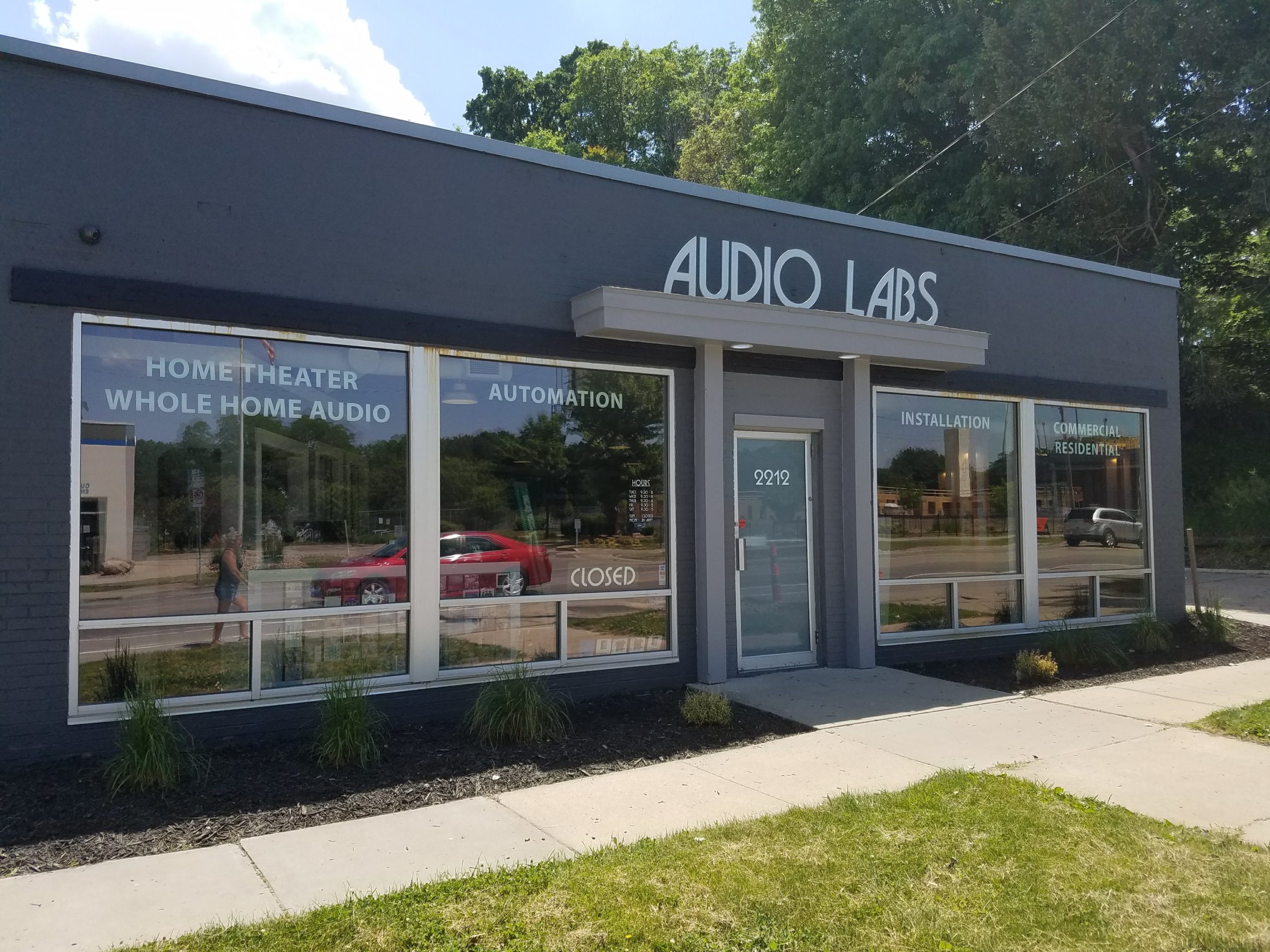
The choice of audio gear plays a essential influence in the performance of the sound system. This covers choosing the right control panels, sound enhancers, and playback units. Enterprises should determine their individual audio requirements before making procurements. For instance, a mall outlet might demand different systems than a eatery or meeting venue. Additionally, implementing modern solutions can enhance usability. Systems that offer virtual operation or compatibility with mobile devices can deliver versatility in adjusting audio media and output levels throughout various zones.
Planning the design this website of the audio delivery system is another important element. A strategically planned design secures that sound is uniformly spread across all zones without any sound voids or excessive noise in certain zones. This includes careful alignment of speakers and assessment of how sound flows in each area. Considerations such as room size, structure, and fixtures can change sound quality. Conducting an room analysis can help pinpoint the optimal areas for speakers to achieve balanced sound performance throughout the space.
Ultimately, regular servicing is important to preserve an audio delivery system performing effectively. Maintenance entails routine checks on components condition, repairing any problems immediately, and modernizing software when necessary. Guiding employees on how to manage the system effectively can also minimize user mistakes and extend the lifespan of the system. By implementing ongoing service, organizations can maintain reliable audio clarity and eliminate disruptions that could negatively impact the customer perception.
In summary, developing an high-quality corporate audio sound system entails comprehensive assessment of listening experience, equipment selection, spatial arrangement, and regular upkeep. When these components are handled strategically, commercial audio visual technology businesses can enhance their environment with professional-grade audio systems for their clients. Installing a high-performing audio system not only strengthens message delivery but also promotes a welcoming atmosphere that can improve audience engagement.